
Products
A smart monitoring and control system that continuously tracks water quality parameters (such as pH, temperature, oxygen, and ammonia) and automatically adjusts equipment to maintain optimal aquaculture conditions.
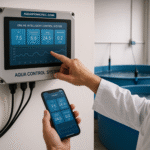
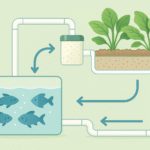
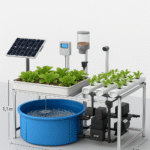
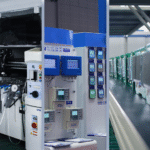

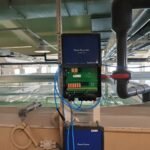
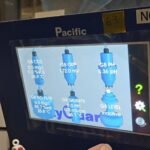
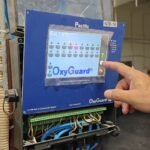
Online Automatic Intelligent Control System
An intelligent control system in Recirculating Aquaculture Systems (RAS) integrates real-time monitoring, automation, and AI-driven decision-making to optimize:
Water quality (O₂, pH, ammonia, temperature, etc.).
Equipment operation (pumps, filters, UV/O₃ dosing).
Fish health & feeding.
Energy efficiency.
These systems reduce labor, prevent disasters, and maximize productivity in commercial RAS
1. Core Components of an Intelligent RAS Control System
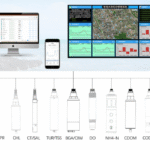
A. Sensors & Real-Time Monitoring
Parameter | Sensor Type | Why It Matters |
Dissolved Oxygen (DO) | Optical DO probe | Prevents fish suffocation |
pH | Glass-electrode pH sensor | Critical for biofilter health |
Ammonia (NH₃/NH₄⁺) | Ion-selective electrode | Detects biofilter failure |
Temperature | PT100/thermocouple | Affects O₂, metabolism, and bacteria |
ORP (Oxidation-Reduction Potential) | Redox probe | Controls ozone/chlorine dosing |
Turbidity/TSS | Optical backscatter | Monifies filter performance |
CO₂ | NDIR sensor | High CO₂ suffocates fish |
B. Automated Equipment Control
Variable-speed pumps (adjust flow based on demand).
Smart valves (regulate water exchange, backwashing).
O₂/ozone injectors (AI adjusts dosing based on sensor data).
Auto-feeders (computer vision or acoustic sensors optimize feeding).
C. Central AI Controller (Brain of the System)
Machine learning algorithms predict:
Ammonia spikes before they happen.
Optimal feeding times based on fish behavior.
Energy-saving schedules (e.g., running pumps at off-peak hours).
Cloud-based dashboards (remotely monitor RAS via phone/PC).
2. How Intelligent Control Works in RAS
Step 1: Data Collection
Sensors send real-time data (e.g., “DO = 4.2 mg/L”) to the central controller.
Step 2: AI Analysis
The system compares data to safe thresholds (e.g., “DO < 5 mg/L → risk”).
Uses historical trends to predict issues (e.g., “Ammonia will spike in 2 hours”).
Step 3: Automated Response
Example 1: Low DO → O₂ injector turns on + alarm sent to manager.
Example 2: High ammonia → Increase biofilter flow + reduce feeding.
Example 3: Fish not eating → Adjust feed type/schedule via auto-feeder.
Step 4: Reporting & Optimization
Generates daily reports on:
Water quality trends.
Equipment efficiency.
Feed conversion ratios (FCR).
3. Benefits of Intelligent RAS Control
✅ Prevents Fish Losses (e.g., stops O₂ crashes before they happen).
✅ Saves Energy (e.g., pumps run only when needed).
✅ Reduces Labor (no manual testing/equipment adjustments).
✅ Improves Feed Efficiency (AI optimizes feeding, reducing waste).
✅ Early Disease Detection (AI spots abnormal fish behavior).
4. Future Trends in RAS Automation
Blockchain traceability (track fish from egg to harvest).
Robotic harvesters (AI-guided grading/culling).
Predictive maintenance (AI detects pump failures before they happen).
Do You Need an Intelligent Control System?
For small RAS: Basic PLC + sensors.
For commercial RAS: Invest in AI-driven systems
 English (UK)
  العربية