Blog

aquaponictec.com

Electrical Control Box of RAS

In a Recirculating Aquaculture System (RAS), the biological filter (biofilter) is essential for converting toxic ammonia (from fish waste) into less harmful nitrate through the nitrogen cycle.
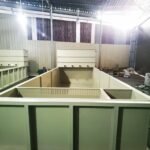
    1. Role of a Biofilter in RAS

    The biofilter hosts beneficial bacteria that perform nitrification: Ammonia (NH₃/NH₄⁺) → Nitrosomonas bacteria → Nitrite (NO₂⁻) Nitrite (NO₂⁻) → Nitrobacter bacteria → Nitrate (NO₃⁻) (Nitrate is removed via water exchange or denitrification.) Without a biofilter, ammonia/nitrite buildup can kill fish rapidly.

    2. Types of Biofilters for RAS

    Biofilters are categorized by their media type and flow design:

    A. Submerged (Fixed-Bed) Biofilters

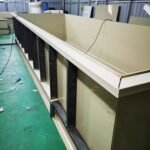
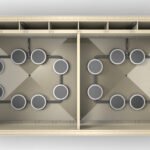
    Media: Plastic beads, ceramic rings, or porous gravel. How it works: Water flows through a submerged media bed where bacteria colonize. Best for: Small to medium RAS, low energy use. Pros: Simple, low cost. Fox example, Moving Bed Biofilm Reactor (MBBR) (plastic media in suspension) and Fluidized Sand Filter (fine sand media, high efficiency).

    B. Trickling (Drip) Filters

    Media: Plastic bio-balls, lava rock, or structured PVC sheets. How it works: Water trickles over media exposed to air (high oxygen transfer). Best for: High-load systems (e.g., trout, salmon RAS). Pros: Excellent aeration, low clogging.

    C. Fluidized Bed Biofilters

    Media: Fine sand or plastic microbeads. How it works: Water flows upward, fluidizing media for max bacteria contact. Best for: High-density systems (shrimp, tilapia). Pros: Extremely efficient, compact.

    D. Bead Filters (Combined Mechanical & Biofiltration)

    Media: Floating plastic beads. How it works: Traps solids while providing surface area for bacteria. Best for: Small RAS, backyard systems. Pros: Dual function (mechanical + bio).
en_GBEnglish (UK)